The Allure of Gambling: Understanding Attraction
The psychology of gambling begins with an exploration of why individuals are irresistibly drawn to casinos. The vibrant lights, the dynamic sounds of spinning wheels, and the thrill of potentially striking it rich create an environment that captivates many. This sensory overload is meticulously crafted by casino designers who strive to engage players fully. Many are intrigued by the possibility of choosing a fast withdrawal casino that enhances their gaming experience, while the emotional highs linked to the prospect of winning reinforce the desire to return, thus creating a cycle where gamblers continuously seek out that exhilarating experience.
Addiction significantly influences the psychology of gambling. For some individuals, the act of wagering can activate the brain’s reward pathways in a manner akin to chemical substances like drugs or alcohol. This powerful urge to continue gambling persists, often despite the risks involved. Cognitive dissonance frequently arises, wherein gamblers rationalize their losses by focusing on past victories or nurturing the belief that a win is imminent. Such thought patterns can cloud judgment and lead to repeated gambling behaviors.
Moreover, the social dynamics of casinos contribute to their allure. Many people view gambling as a social activity, providing an exciting communal experience filled with shared risks. The presence of others enhances individual emotional states, fostering an atmosphere where camaraderie thrives amid competitive thrill. This sense of sociability can amplify the urge to gamble, as individuals not only seek personal enjoyment but also a connection with fellow players, making their gambling experience all the more compelling.
The Role of Emotion in Gambling Behavior
Emotion is a pivotal factor in decision-making, particularly in gambling scenarios. Gamblers experience a vast array of feelings, from exhilaration to despair, which profoundly influence their actions. The joy associated with winning can incite euphoric feelings, while losses can evoke frustration and desperation. Such emotional fluctuations complicate a gambler’s capacity to make rational choices, often resulting in impulsive behaviors that can lead to increased stakes and potential losses.
The “near-miss” phenomenon also plays a crucial role in gambling psychology. When players experience a near-miss—such as seeing almost winning combinations on a slot machine—they may feel a rush of excitement that distracts from the reality of their losses. This illusion of being “one step away” from success can fuel a desire to continue playing, as individuals convince themselves that their luck is about to change. Such cognitive distortions can lead to prolonged gambling sessions, making it increasingly challenging for individuals to walk away from the game.

Casinos strategically leverage emotions through marketing and promotions to enhance player engagement. Special events, themed games, and loyalty programs are designed to elicit specific emotional responses that encourage gambling behaviors. By appealing to feelings of nostalgia, excitement, or even competition, casinos can ensure players remain emotionally invested in their experiences. This marketing approach is vital for fostering customer loyalty, as emotional connections often supersede logical reasoning in the realm of gambling.
Addiction and Its Psychological Implications
The distinction between casual gambling and addiction is often nuanced. Gambling addiction, classified as a behavioral addiction, involves compulsive behaviors that persist even when faced with adverse consequences. This addiction is frequently linked to underlying psychological conditions such as anxiety or depression, leading individuals to use gambling as a method of coping. As the addiction intensifies, the compulsion to gamble can become overwhelming, frequently resulting in detrimental effects on various aspects of an individual’s life.
Treatment for gambling addiction is multifaceted, incorporating psychological therapies and support groups to address the root causes of the behavior. Cognitive-behavioral therapy (CBT) has shown considerable efficacy in helping individuals recognize the triggers for their gambling and develop healthier coping mechanisms. Support groups, such as Gamblers Anonymous, provide a communal setting for sharing experiences, which is essential for recovery. Acknowledging the emotional pain underlying the addiction is crucial for those seeking to change their relationship with gambling.
The rise of the internet and mobile technology has transformed the gambling landscape, making it more accessible than ever before. Online casinos and betting apps offer convenience but can also exacerbate addictive behaviors. The anonymity and constant availability of these platforms can obscure the reality of gambling losses, making it easier for individuals to bypass self-regulation. Understanding these psychological dynamics is essential for creating effective prevention strategies and support for those grappling with gambling addiction.
The Impact of Environment on Gambling Behavior
The environment in which gambling occurs plays a significant role in shaping behavior. Casinos are designed to be enchanting environments, filled with a symphony of sound, sight, and smell to maximize the likelihood of prolonged gambling sessions. The strategic absence of clocks and windows creates a timeless atmosphere, blurring the boundaries between reality and the gambling experience. This deliberate design can lead to a disconnection from the outside world, causing gamblers to lose track of time and often their budget.
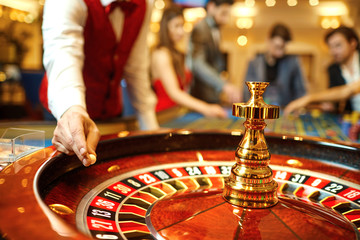
Furthermore, the layout of casinos is intentionally crafted to encourage exploration and engagement. Games are positioned strategically to draw players in, prompting an almost instinctual response to test their luck. The social aspect of gambling is amplified by the lively atmosphere filled with fellow players, staff, and the enticing prospect of shared successes. This meticulously constructed environment can lead to impulsive decisions, as players become energized by the collective enthusiasm around them, reinforcing the communal nature of gambling.
In addition, rewards and loyalty programs significantly influence gambling behavior. Casinos frequently offer incentives such as complimentary meals, accommodations, or bonuses for consistent play. These offers can create a sense of attachment to the casino itself, leading players to associate their gambling experiences with positive emotions rather than the potential for loss. By intertwining emotional and tangible incentives, casinos skillfully manipulate psychological factors that keep players engaged and returning for more.
Understanding Responsible Gambling and Resources
Understanding the psychology behind gambling in casinos is essential not only for players but also for the industry as a whole. Awareness of psychological triggers, emotional responses, and environmental influences can lead to more responsible gambling practices. By recognizing the potential for addiction and its psychological implications, individuals can make more informed decisions regarding their gambling habits, ultimately safeguarding their well-being.
Furthermore, numerous resources are available to promote responsible gambling practices for those who may struggle with their gaming behavior. Organizations dedicated to prevention and intervention offer valuable information and support to foster healthier gambling habits. Whether it is through therapy, support groups, or educational initiatives, the aim is to cultivate an environment where gambling remains a source of entertainment rather than a pathway to destructive behavior.
In summary, understanding the multifaceted psychology of gambling is crucial for promoting healthier habits and addressing potential issues. By exploring the emotional, social, and environmental factors that contribute to gambling behavior, individuals and the industry can work together to create a more responsible gambling landscape that prioritizes the well-being of all players.